Chronic fatigue syndrome Diagnosing fibromyalgia is very difficult , as there are no blood tests or other types of clinical tests that offer a concrete answer. The only way to detect it is through a physical evaluation and an adequate clinical history performed by a rheumatologist or a doctor highly qualified on the subject.
The first step for a quick and accurate diagnosis is to exclude that it is another disease , it is worth mentioning that there are various conditions that can be caused by fibromyalgia or are closely related to this disease , patients can even suffer from several diseases at the same time.
Diseases with symptoms similar to FM include:
1.- Osteoarthritis . This is the most common form of arthritis and is characterized by  degeneration of the cartilage that can lead to severe bone and joint pain. This type of pain can be similar to that generated by fibromyalgia tender points in the hips and knees. In addition, both fibromyalgia and osteoarthritis cause morning stiffness.
2.- Chronic fatigue syndrome . It is characterized by excessive tiredness that leaves you exhausted all day long. People with  chronic have no energy even after sleeping or getting enough rest. This syndrome can be accompanied by memory problems, headaches, and muscle and joint pain, which are also symptoms of fibromyalgia. It is important to know that at least 50% of people with FM may have criteria to be diagnosed with chronic fatigue syndrome, which makes it difficult to diagnose the disease.
3.-Depression . Having fibromyalgia can lead to depression due to the difficulty of living with pain on a daily basis, however, the  symptoms of both conditions are also similar. Depression includes feelings of sadness, hopelessness and loss of interest in activities, makes a person slower to think or speak, as well as problems with memory and concentration, the same symptoms that occur in fibromyalgia .
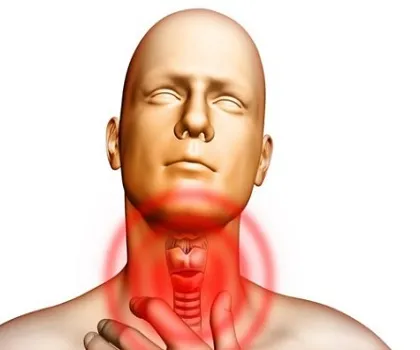
4.- Hypothyroidism. This is a low production of the thyroid gland in the neck, caused by an abnormal response of the immune system that mistakenly attacks  body tissues. In fibromyalgia, the immune response causes a drop in thyroid hormone, a key element for the body to know how to use energy. Having low levels of this hormone can cause pain everywhere. Hypothyroidism is linked to a series of symptoms seen in fibromyalgia such as fatigue, depression, memory loss, and constipation.
5.- Irritable bowel syndrome . Symptoms such as constipation or diarrhea  can be caused by irritable bowel syndrome, a digestive problem that can be affected by stress or the consumption of certain foods. This condition can also include stomach cramps and pain.
6.- Jaw problems. Temporomandibular disorder is a condition in which patients clench or grind their teeth at night; chewing, biting, and even talking can cause great pain. Headaches also occur, which is common in fibromyalgia.
7.- Lupus . As in fibromyalgia, the immune system of a person with lupus  attacks normal body tissues, causing inflammation and pain in the muscles or joints. In both diseases, symptoms are likely to come and go.
8.- Lyme disease. Some people diagnosed with fibromyalgia report having had Lyme disease in the past, and while there is currently no  research to prove a direct link between the two, it is believed that among the infections that trigger FM is Lyme disease. Fatigue, headaches, muscle pain, and stiffness in Lyme disease are caused by bacteria spread by a tick bite, but blood tests for detection are not always reliable, making it more difficult to detect FM due to the similarity of their symptoms.
9.- Interstitial cystitis. Also called painful bladder syndrome, the bladder wall becomes inflamed  and resembles a urinary tract infection. Like fibromyalgia, it is thought tobe caused by nerves and lead to chronic pain. The two conditions usually occur together.
10.- Polymyalgia rheumatica . It is very likely that FM is confused with this inflammatory disorder that occurs in people over 50 years of age. It is characterized by pain and stiffness in the hip, neck and shoulders, points also common in fibromyalgia. Both cause morning stiffness and headaches.
11.- Rheumatoid arthritis . Painful, swollen, and stiff joints are characteristics of both RA and fibromyalgia.  Unlike osteoarthritis, it can occur at any age and is caused by inflammation and destruction of the joint lining. In FM and RA, painful points can be felt on both sides of the body.