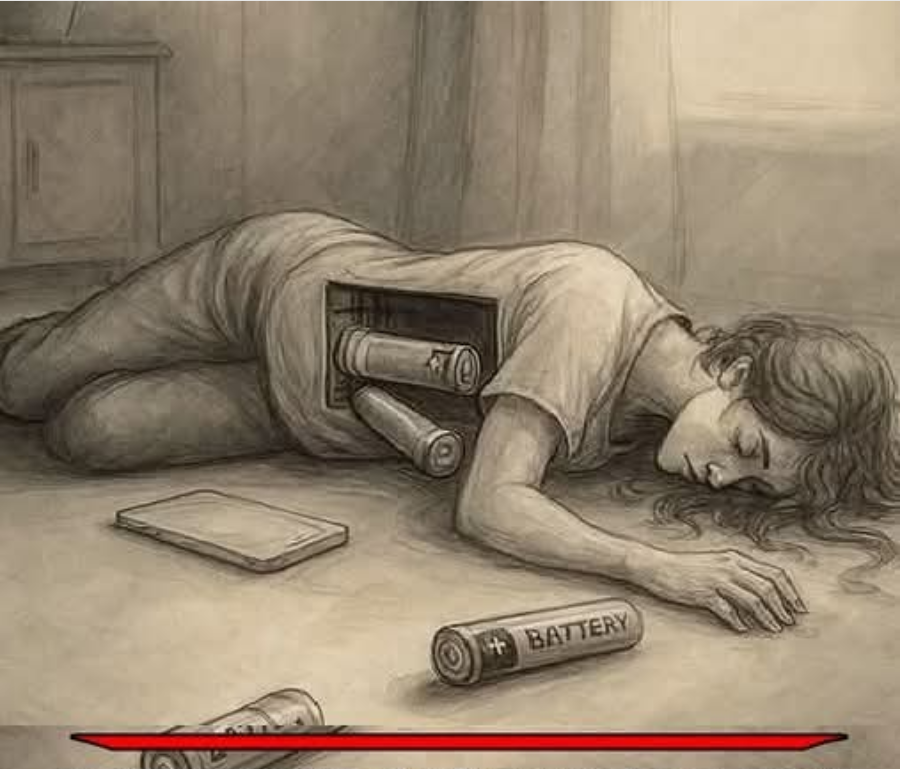
Fibromyalgia is a widespread chronic pain syndrome that occurs primarily in women between the ages of 20 and 50. The National Institute of Arthritis and Musculoskeletal Diseases estimates that five million people in the United States have fibromyalgia. Despite its widespread prevalence, the cause of fibromyalgia remains unclear, and the symptoms of fibromyalgia can be so varied and complex.
A list of fibromyalgia symptoms
Fibromyalgia is diagnosed as a syndrome, a collection of signs, symptoms, and medical problems, not just by one marker. The three fibromyalgia symptoms that most directly point to a diagnosis are: Mesothelioma law firm
Widespread pain on both sides of the body, and above and below the waist
Fatigue
Cognitive difficulties
However, fibromyalgia is a complex chronic pain syndrome that affects all aspects of a person’s life. This post will go over all of these fibromyalgia symptoms in more detail, as well as specific fibromyalgia symptoms in women. A complete list of fibromyalgia symptoms varies from patient to patient, but may include any of the following 27 fibromyalgia symptoms:
Widespread muscle pain
Muscle spasms
Soreness
Headaches or migraines
Rebound pain
Irritable bowel syndrome
Nausea
Constipation
Excessive gas
Diarrhea
Painful bladder syndrome
Increased sensitivity to pain
Pins and needles sensations
Increased general sensitivity to cold and touch
Forgetfulness Inability to concentrate and coordinate, or “Ball Fibro Fog”
problems
Fatigue
Depression
Nervous energy
Anxiety
Emotional sensitivity
Increased reaction to stress
Sleep disturbances
Joint stiffness
Pain or menstrual changes
Increased likelihood of other health conditions
Knowing these symptoms and whether they affect you can help when it comes to diagnosis. It takes years for the average person to get diagnosed. This is because fibromyalgia symptoms overlap with many other illnesses. The following video provides a little more information about this pain syndrome.
Pain Symptoms
Pain is one of the most common symptoms of fibromyalgia and is a necessary part of any diagnosis. But as EverydayHealth explains:
“Fibromyalgia symptoms can fluctuate in intensity and can get better or worse over time. Factors like stress, changes in weather, too much or too little exercise, and too much or too little rest can affect how severe your symptoms are.
This means that an activity that caused you pain one day may be fine the next and vice versa. Even so, here’s how fibromyalgia pain symptoms can affect your life.
1. Prolonged muscle pain
The symptom that fibromyalgia is known for is undoubtedly chronic pain throughout the body. Specifically, the pain must occur on both sides of your body as well as above and below the waist to be diagnosed as fibromyalgia. The pain can travel to any other part of your body and the intensity of the pain can vary. Fibromyalgia also has a tendency to wax and wane, so the pain can vary from day to day and even within the same day.
The National Fibromyalgia and Chronic Pain Association advises that the following can affect pain levels:
Cold/wet
weather Restless sleep
Physical and mental fatigue
Excessive physical activity
Physical inactivity
Anxiety
Stress
Most patients describe pain as stiffness or aches that start in specific areas. Fibromyalgia tends to start in the neck and shoulders and spread to the rest of the body from there. It is also common for the pain to feel like it is coming out of the joints even though there is no inflammation or swelling. Tender points are also common and usually cause a sharp pain when pressure is applied. Mesothelioma Law Firm
To be diagnosed as a chronic condition, this pain must be present for at least three months and unresolved or recurring.
2. Muscle spasms
Muscle spasms can be a symptom of fibromyalgia, or they can simply be an irritation as the muscle contracts and relaxes on its own, which can disrupt sleep and daily activities.
3. Headache or migraine
Headaches are a common symptom of fibromyalgia. Some patients even experience extreme migraine pain. The intense pressure or throbbing of these migraines can spread further down the body to the neck, shoulders, and upper back. These headaches are usually triggered by environmental factors such as:
Bright lights
Loud noises
Powerful vibrations
This headache can last for several days and can be severe enough to disrupt sleep.
4. Rebound pain
When fibromyalgia sufferers are not in pain, their first instinct may be to jump in and get things done. They may clean their house, meet friends for lunch, and then go for an afternoon walk with their kids. While these are all wonderful things, the result of this increased activity can be even worse pain later that night or the next day.
5. Tenderness
Doctors diagnose fibromyalgia by identifying 18 tender points on the body. These are symmetrical points located both above and below the waist. Fibromyalgia sufferers may experience increased tenderness in these areas when a flare-up is imminent, or they may feel these tender spots almost all the time. Mesothelioma Law Firm
Gastrointestinal Fibromyalgia Symptoms
Many fibromyalgia patients also suffer from gastrointestinal problems.
6. Irritable bowel syndrome
Fibromyalgia and irritable bowel syndrome are closely linked, as pain and stiffness are common problems with both conditions. It is very common for someone to have both at the same time. IBS is another chronic pain condition that can lead to:
Diarrhea
Severe abdominal pain
Cramps
Bloating
7. Nausea
The pain can be so severe that a fibromyalgia patient experiences stomach pain. This can cause a change in diet, which can lead to other symptoms.
8. Constipation
Some people with IBS experience constipation as their main manifestation of this syndrome.
9. Excessive gas
Excessive gas can be a symptom of IBS, or it can occur as a result of dietary changes due to nausea or other causes.
10. Diarrhea
For those fibromyalgia patients who also experience IBS, if they do not suffer from constipation or excess gas, they may find that their primary fibromyalgia symptom is diarrhea.
11. Painful bladder syndrome
The Mayo Clinic reports that fibro often coexists with other conditions, such as interstitial cystitis or painful bladder syndrome.
Sensory fibromyalgia symptoms
One of the strangest effects of fibromyalgia is its distortions of a patient’s sensitivity to pain, cold, touch, or even sensory inputs like smell.
12. Increased sensitivity to pain
Those with chronic pain conditions experience changes in their brain that make the body more sensitive to pain over time. This is a common symptom of fibromyalgia.
13. Needles and pins
Any involvement of the nerves can cause a tingling sensation in the hands and feet, often referred to as “pins and needles.” SpineHealth notes that:
“About 25% of fibromyalgia patients report ‘poor circulation’ or numbness and tingling that is not in a radicular pattern and usually involves the arms and hands. However, a physical examination reveals normal muscle strength and sensory testing, with no inflammatory or arthritic features.”
14. Increased overall sensitivity
In addition to increased pain sensitivity (which deserves its own focus), many fibromyalgia patients also report increased sensitivity to: Mesothelioma Law Firm
Cold
touch
Smells
Loud
noises Candlelight
Medications
Certain foods
Fibromyalgia patients are sometimes so sensitive to their entire bodies that even the lightest touch can make them wince in surprise or pain. Nerve endings are hyper-aware and sensitive to even the slightest stimulation from seams and clothing labels.
But due to an increased sensitivity to cold, fibromyalgia sufferers may find themselves reaching for a sweater on the sunniest days.
Symptoms of cognitive fibromyalgia
Fibromyalgia diagnosis tends to focus more on physical symptoms, such as pain and fatigue. This makes sense, as these are the easiest indicators to identify and measure. However, there are a number of mental and cognitive fibromyalgia symptoms that arise from this disorder that can also have a major impact on quality of life.
15. Forget
Fibromyalgia sufferers may find themselves forgetting everyday things, from where they put their keys to what they were supposed to get at the store. Memory loss and decreased verbal fluency are particularly serious fibromyalgia symptoms. While memory loss is common as a person ages, a study on cognitive function in fibromyalgia sufferers found that those with fibromyalgia had the cognitive ability and memory of a 20-year-old.
16. Inability to concentrate, or “fibro fog”
The most common symptom of mental fibromyalgia is what is known as fibro fog or brain fog. This includes a variety of cognitive difficulties, such as:
Easily confused
Lack of motivation
Feeling “fuzzy” or “blurry”
Difficulty concentrating for long periods Mesothelioma Law Firm
Not being able to focus or pay attention
This fibro fog is usually caused by overstimulation, high stress, lack of sleep, and certain medications. This fog can feel like you are taking cold medicine. For many patients, it is one of the most frustrating fibromyalgia symptoms on a daily basis.
17. Balance and coordination problems
Many people with fibromyalgia also report having trouble balancing upright or maintaining basic coordination. This can certainly be due to fatigue, but it is also an independent symptom of this syndrome.
18. Fatigue
Between the lack of sleep that is often a symptom of fibromyalgia and the amount of effort even the smallest task takes during a flare-up, fibromyalgia sufferers can be extremely tired. Many who have fibromyalgia experience sleep disturbances. Constant pain can be exhausting. Fibromyalgia sufferers commonly report having difficulty sleeping soundly and feeling tired upon waking. Fatigue is so synonymous with fibro that some experts believe that without sleep disruption and chronic fatigue, it cannot be considered a true case of fibromyalgia.
Fibromyalgia sufferers have a way of describing this. They call themselves “scoops,” and compare the amount of energy they have each day in terms of the number of spoons they have. If a fibromyalgia sufferer has ten spoons a day and they use eight spoons to get ready for work, they know they need to make adjustments for the rest of the day.
Fibromyalgia-related mood disorders
If you have fibromyalgia, you are also more likely to experience mood disorders.
19. Depression
As with all chronic pain patients, fibromyalgia patients have a higher chance of developing depression as a direct result of their condition. Research has shown that those diagnosed with fibro are three times more likely to develop depression compared to those without fibro. Depression is one of the most important symptoms to determine early, as it can be difficult to identify. It can also lead to other negative effects that can worsen other fibromyalgia symptoms, such as: Mesothelioma law firm
Loss of interest in activities
Decreased energy
Persistent sadness or anxiety
In more advanced cases, it can lead to feelings of worthlessness and thoughts of death. This can be exacerbated by your inability to attend therapy regularly. Additionally, when depression is comorbid with a chronic pain condition, the condition generally will not improve unless the depression is also treated.
20. Nervous energy
When fibromyalgia patients are feeling well, they can become almost frenetic in their desire to do things. Whether it’s playing with your kids or just doing chores without pain, this can lead to rebound pain later.
21. Anxiety
Waiting for the next painful flare-up can result in a constant state of anxiety. In some patients, this anxiety can begin to grow into a fear of leaving the house, in case a break-up begins. This can also manifest as a panic attack if fibroid symptoms suddenly flare up away from home.
22. Emotional sensitivity
As one might expect, having chronic pain conditions can make the sufferer feel irritable and moody. But for fibro sufferers, it’s more than that.
Many patients have reported that their emotional reactions are much stronger and that they have less control over how they express themselves. Irritability is one of the most common manifestations of this, and this sensitivity can be greatly increased by sleep deprivation. This sensitivity is true for both negative and positive emotions.
Mood swings can also have a major impact on the daily lives of fibromyalgia sufferers. Many people diagnosed with fibromyalgia can go from happy to angry in a minute or less. Very often, sudden changes in mood are unexplained, so it can have a devastating effect on professional and personal lives.
23. Increased stress
The stress of painful fibromyalgia flare-ups can cause patients to experience PTSD-like symptoms, such as an inability to relax and hypervigilance. This constant high level of stress can lead to other health problems.
Other fibromyalgia symptoms
24. Sleep disorders
Chronic pain patients often experience disrupted sleep, and fibromyalgia patients are no different. The pain can make it difficult to get comfortable enough to fall asleep, and the slightest movement can result in pain that jolts you awake. Mesothelioma Law Firm
On Health reports that:
“Normally, there are different levels of sleep, and getting enough of the deeper levels of sleep may be even more important than total hours of sleep. Fibromyalgia patients lack the deep, restorative level of sleep known as NREM (non-rapid eye movement) sleep. As a result, fibromyalgia patients often wake up in the morning feeling not fully rested, even though they appear to have had enough hours of sleep.
25. Joint stiffness
Joint stiffness, especially in the morning, can be a common symptom of fibromyalgia. But it’s a double-edged sword: the more a patient moves, the less stiff they become, but the pain often makes movement very difficult.
26. Menstrual pain or changes
Women may experience more pain during their menstrual cycle, including cramps and lower back pain. They may also experience irregular menstrual cycles or changes in the length and weight of their cycles. Healthline recommends that:
“A report from the National Fibromyalgia Association found that women with the condition have more painful periods than usual. Sometimes the pain fluctuates with your menstrual cycle. Most women with fibromyalgia are also between the ages of 40 and 55. Research suggests that fibromyalgia symptoms may be worse in women who are postmenopausal or experiencing menopause.
27. Increased likelihood of other health conditions
Although not a direct symptom of fibromyalgia, fibromyalgia symptoms can greatly impact a person’s ability to participate in their normal routines and activities. If these include a regular exercise routine that is no longer regular or as vigorous, a fibromyalgia patient may have a higher body mass index. This can lead to other health problems, such as diabetes and cardiovascular disease.Mesothelioma Law Firm
MedicineNet also reports that: “Fibromyalgia can occur on its own, but people with certain other conditions, such as rheumatoid arthritis, lupus, and other types of arthritis, may be more prone to it.”
Restless leg syndrome and vision problems are also linked to fibromyalgia.