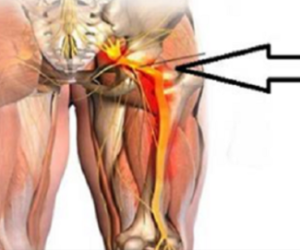
It is not uncommon to experience hip flexor problems or pain in this area while living with fibromyalgia. The hips, hip flexors, and lower back are correlated with fibromyalgia pain areas due to painful areas around the lower back, many other trigger point areas, and other conditions affecting the surrounding areas.
The hip flexor muscles allow your hips to move flexibly. You engage these muscles every time you move your legs, which means your hips are involved in most of the movements you make throughout the day.
A healthy person may not be able to tell how often they use their hip flexors, but anyone with fibromyalgia and hip flexor pain will be more aware of it.
I personally dealt with hip flexor pain and later reinvigorated these areas while developing safe fibro exercises after my complete hysterectomy three years ago. Yes, I understand. I’ll get to that later in the bottom half of this article.
Although there are known injuries and conditions that can cause hip flexor pain, it can be difficult to identify a direct cause of this pain in someone with fibromyalgia, aside from the many daily activities I often refer to.
We could treat the pain as another symptom of the diagnosed condition, or we could spend more time determining the exact cause of the pain. Either way, fibromyalgia and hip flexor pain are often debilitating if not treated effectively and promptly.
Understanding Fibromyalgia and
Hip Flexor Pain
Hip flexor pain is often referred to as flexor tendonitis. The pain from this condition usually comes from one or both of the following muscles: illicacus and psoas. These muscles are often grouped into a unit called the iliopsoas.
The psoas is responsible for a lot of general back and leg pain, as the sitting positions most people adopt during the day cause the muscle to shorten over a long period of time. When you get up and start moving again, this muscle doesn’t want to lengthen and function properly.
For those with fibromyalgia, pain may come from other muscles that help move the hips. This includes the quadriceps, although these muscles are lower than most hip flexors.
While flexor tendinosis caused by an injury or problem unrelated to fibromyalgia may be focused on a specific muscle or area of the hip, fibromyalgia patients may experience pain in that area of the body as it spreads. The cause of the pain is often unexplained, as is usually the case with fibromyalgia pain.
Treatment of fibromyalgia and Hüftbeugerschmerzen
A simple way to prevent fibromyalgia and hip flexor pain is to avoid sitting in the same position for long periods of time. Get up and move around regularly so your muscles don’t have time to stay in the same position.
You often hear how I recommend safe and effective exercises and how important it is to participate in some level of exercise to keep your body stronger and more flexible. This is another recommendation for hip flexor pain.
Instead of straps and/or pointing your neck forward, bring a chair closer to you while lying on the floor, then cross one leg over the other and hold it. The chair acts like a person or therapist to help you stretch more safely and effectively.
The more you learn about movement and the importance of angles and overcompensation, the easier it is to prevent some causes of muscle pain. You can follow me on the Fibro Fit People page to discover more ways to safely and gently work these vulnerable areas. The video section shows exercises like my “side-to-side” exercises that help gently work the hips and lower back, piriformis, and more.
I also work with women who have had hysterectomies and other abdominal surgeries to gently strengthen these vulnerable areas. I’ve been there, and yes, it is possible to feel strong after a hysterectomy while living with the complexities of fibromyalgia and co-conditions.
The route I’m leading here can be done well at any time, especially after sitting. We do one leg (no shoes) just above OR below the knee (this will loosen the hips) then pull the arm on the same side and feel the light of your hips stretch through your obliques. Here, I put my right heel above the knee, not on the knee itself.
Slightly different from yoga, we have more exercise techniques for fibromyalgia. Therefore, avoid putting pressure on the knee or the inside of the opposite leg. The idea is to lift and stretch the movement.
If you spend a large portion of your day at your desk, invest in a highly adjustable office chair. Raise the chair and let your hips rest above your knees. This position is healthier for your hip flexors and can eliminate the pain caused by shortening these muscles in the typical office chair position. You may also want to consider a standing desk, which will allow you to easily raise your workspace.
I started using a standing desk last year and find it very helpful, in fact, I now stand at my desk more than I sit. (Note: some standing desks can be difficult to raise and lower on the shoulders, so it may be necessary to get a standing desk that uses electric controls to move positions)
Are you also suffering from lower back pain?
If you haven’t already, scroll down to the bottom of the lower back pain article here and check out the Low Back Trax device which is both effective and easy to use!!
Regular strength training and very gentle stretching (done safely) can help keep these muscles strong and flexible. Again, be sure to avoid excessive sitting as this can sabotage efforts to be an effective exercise.