List of Over 70 Fibromyalgia Symptoms
Among those who consider fibromyalgia a legitimate medical condition, most consider chronic pain to be the primary associated symptom. Some have also recognized chronic fatigue and fibro fog as additional symptoms. But what many don’t appreciate about fibromyalgia is that there are over 70 symptoms that are layered as either the primary or secondary symptom.
Also, keep in mind that many of these symptoms are related to fibromyalgia or could easily be symptoms of other types of illnesses. This list is presented as something to think about and with information you may want to discuss with your doctor.
- Delayed reactions to physical exertion or stressful events.
- Chronic widespread pain.
- Other family members with fibromyalgia.
- Sweating, usually at night.
- Unexplained weight gain.
- Unexplained weight loss
- Carbohydrate and chocolate cravings
- a headache
- Tension headache.
- Migraine headache
- Vision changes (rapidly deteriorating vision).
- Specific muscle pain.
- Specific tissue pain.
- Morning stiffness
- Stiffness after sitting in the same position for a long time.
- Muscle spasms
- Diffuse inflammation.
- Fibroquistica (Klumpen).
- Goteo postnasal.
- Nasentropfen
- Yeast sensitivity.
- Difficulty breathing
- Earache and itching in the ears.
- Ringing in the ears (tinitis).
- Night wakes up and unrestful sleep.
- fatigue
- Sudden need to sleep.
- Muscle spasms
- Grinding of teeth (bruxism).
- Premenstrual syndrome.
- Loss of libido
- impotence
- Digestive and abdominal discomfort.
- Gas and nausea
- Stomach cramps.
- Pelvic pain.
- Irritable bowel syndrome.
- Symptoms in the bladder.
- Known words, speech disorders, other speech disorders (aphasia).
- Spatial disorientation.
- Balance problems
- Paresthesia of the upper limbs (tingling or burning sensation).
- Loss of ability to distinguish certain shades of color.
- Short-term memory impairment.
- confusion
- Difficulty concentrating
- Inability to recognize their family environment.
- Sensory symptoms
- Sensitivity to smell
- Sensitivity to changes in pressure, temperature and humidity.
- Sensitivity to light.
- Sensitivity to noise.
- Difficulty driving at night.
- Sensory overload
- Panic attacks
- Depression
- Tendency to cry easily
- Anguish
- The mood changes
- Unexplained irritability
- Mitral valve prolapse
- Irregular heartbeats (arrhythmias, postural orthostatic tachycardia syndrome)
- Costochondritis, pain that mimics a heart attack.
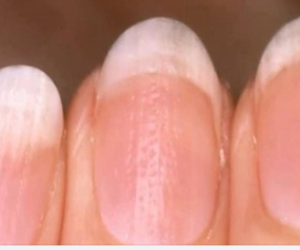
- Pronounced ridges on the nails
- Bending nails
- Spots on the skin
- Bruises
- Hair loss (temporary)
- Excess tissue growth (non-cancerous tumors called lipomas, ingrown hairs, thick cuticles)
- hemorrhoids
- Nosebleeds source